ASPIRE-ing to Make Museums and Work Better
I’ve been in the museum field for a number of years. These days, I work for the City of Roseville’s Utility Exploration Center, where I spend a lot of time thinking about visitor experience, employee engagement, and how to make organizations work a little better.
So when I headed to Salt Lake City for the Western Museums Association’s Annual Meeting, ASPIRE, I was excited to reconnect with colleagues, meet new people, and, naturally, overthink just about every museum experience I encountered. I’m happy to report that somewhere between the sessions, museum visits, and conversations, I actually learned a few things along the way.
The Networking Is the Conference
I expected to get good ideas from the sessions. What I didn't expect was how much I would get from the people.
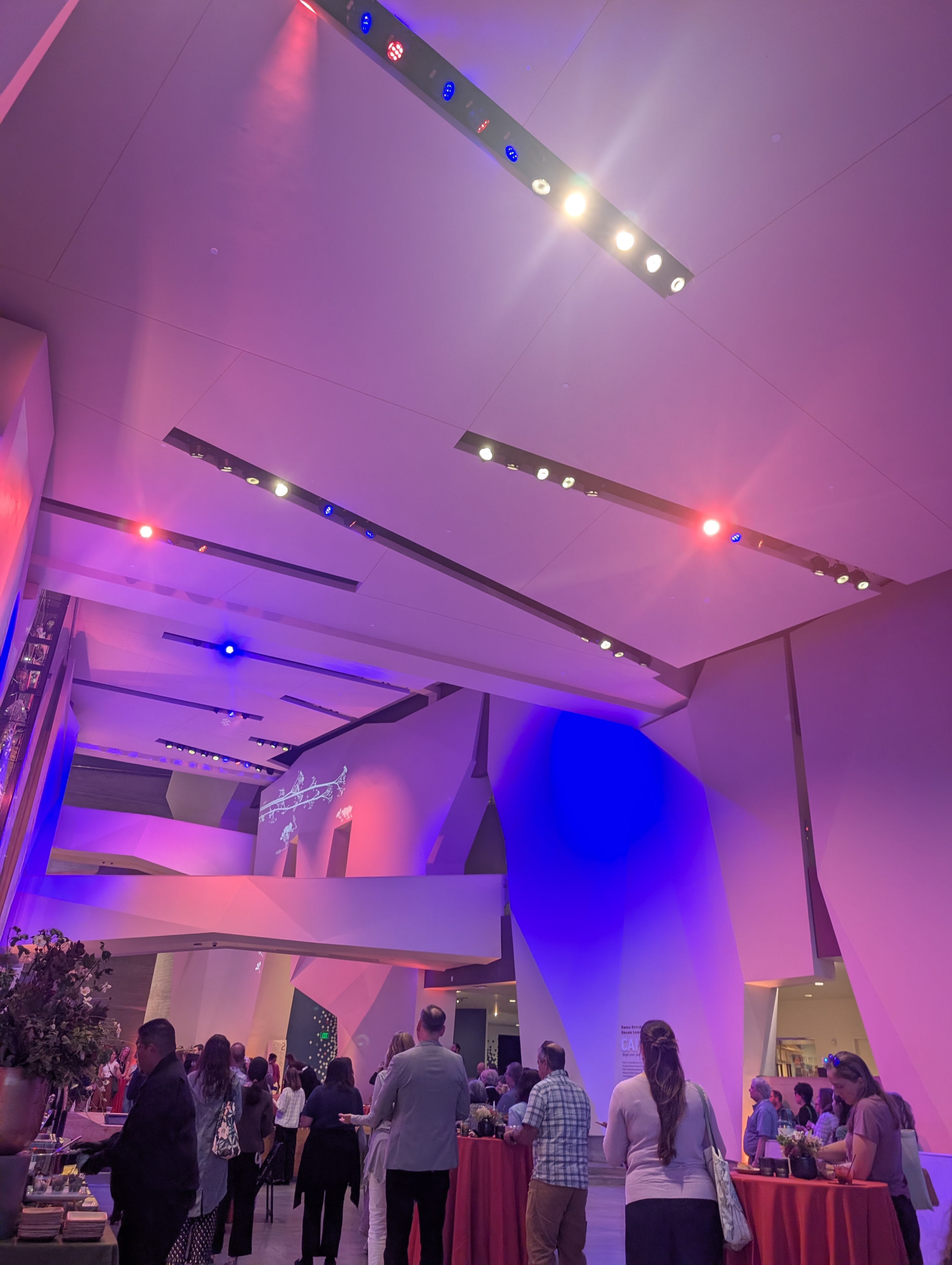
The best conversations happened everywhere except where I expected them to: over breakfast, walking between sessions, waiting for an event to start, and standing around with a drink while trying to remember where I had met someone before.
And the conversations were rarely just about museums.
A discussion about visitor experience could turn into a conversation about employee experience. A conversation about programming could become a discussion about strategic planning. Someone would mention a challenge at their museum, and suddenly I was thinking, Wait, we have that exact problem.
That is one of the things I love about the museum field. We may work in wildly different institutions, but the problems are often surprisingly familiar.
And then there was karaoke.
I’m not sure where karaoke fits into a strategic plan, but I can confirm it is an excellent employee engagement activity.
Sometimes You Need to Be the Visitor
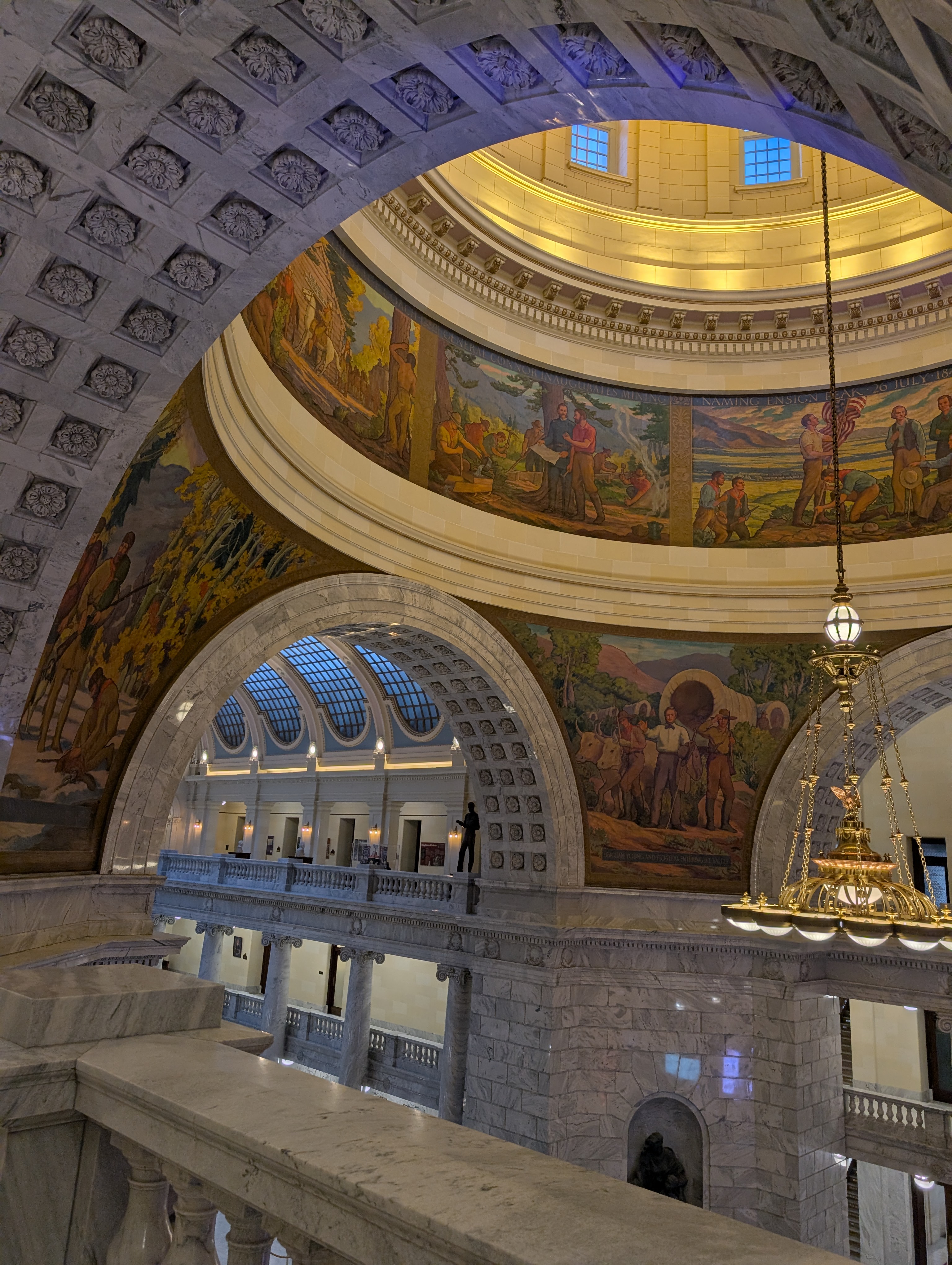
The Museum of Utah and the Natural History Museum of Utah were two of the highlights of the conference for me.
Both were awe inspiring, but what I particularly enjoyed was experiencing them as a visitor instead of immediately putting on my professional museum hat.
Well… mostly.
Because when you work in museums, you can't completely turn that part of your brain off.
You notice how people enter a space. You notice where they stop. You notice the way a story is told, how a gallery flows, what makes you want to keep exploring, and what makes an experience memorable.
The Museum of Utah was a great reminder of the power of place and storytelling. The Natural History Museum of Utah was equally impressive, from its architecture and exhibits to the way the building itself becomes part of the experience.
It made me think about something I spend a lot of time considering in my own work: experience doesn't happen by accident.
Whether we're talking about visitors or employees, the little things add up. How people are welcomed. How information is communicated. Whether they understand the “why.” Whether they feel connected to something bigger than themselves.
Those things are culture. And they are strategy.
Strategic Plans Are Only Useful If People Actually Experience Them
The theme of ASPIRE felt particularly appropriate because so much of the conference was about thinking beyond where we are now.
But aspiration doesn't have to mean launching some enormous, revolutionary initiative.
Sometimes it means looking at something you're already doing and asking, How could we do this better?
- How can we create a better experience for visitors?
- How can we better support the people doing the work?
- How can we take an idea from one museum and adapt it for another?
Those questions were probably what I brought home with me more than anything else.
I've been thinking a lot about the connection between visitor experience, employee engagement, and organizational strategy. ASPIRE reinforced for me that those aren't separate conversations. If we want to create meaningful experiences for our visitors, we need to create organizations where our employees can do their best work.
The Best Thing I Brought Home Wasn't in My Suitcase
I came home from Salt Lake City with notes, ideas, a few new connections, and a renewed appreciation for the museum community.
But the biggest takeaway was simple: we don't have to figure this stuff out alone.
The museum field is full of people willing to share what worked, what didn't, and what they're still trying to figure out.
That's pretty special.
ASPIRE reminded me why I love being part of this field. Museums are about stories and collections and exhibits, but they're also about people, both the people we serve and the people who make the work happen.
And maybe that's what I found most inspiring in Salt Lake City: the opportunity to step away from my own day to day work, look at the field from a different perspective, and come home thinking about how we can all make museums and the work we do in them a little better.
And yes, I'd happily do it all again.
Especially the karaoke.
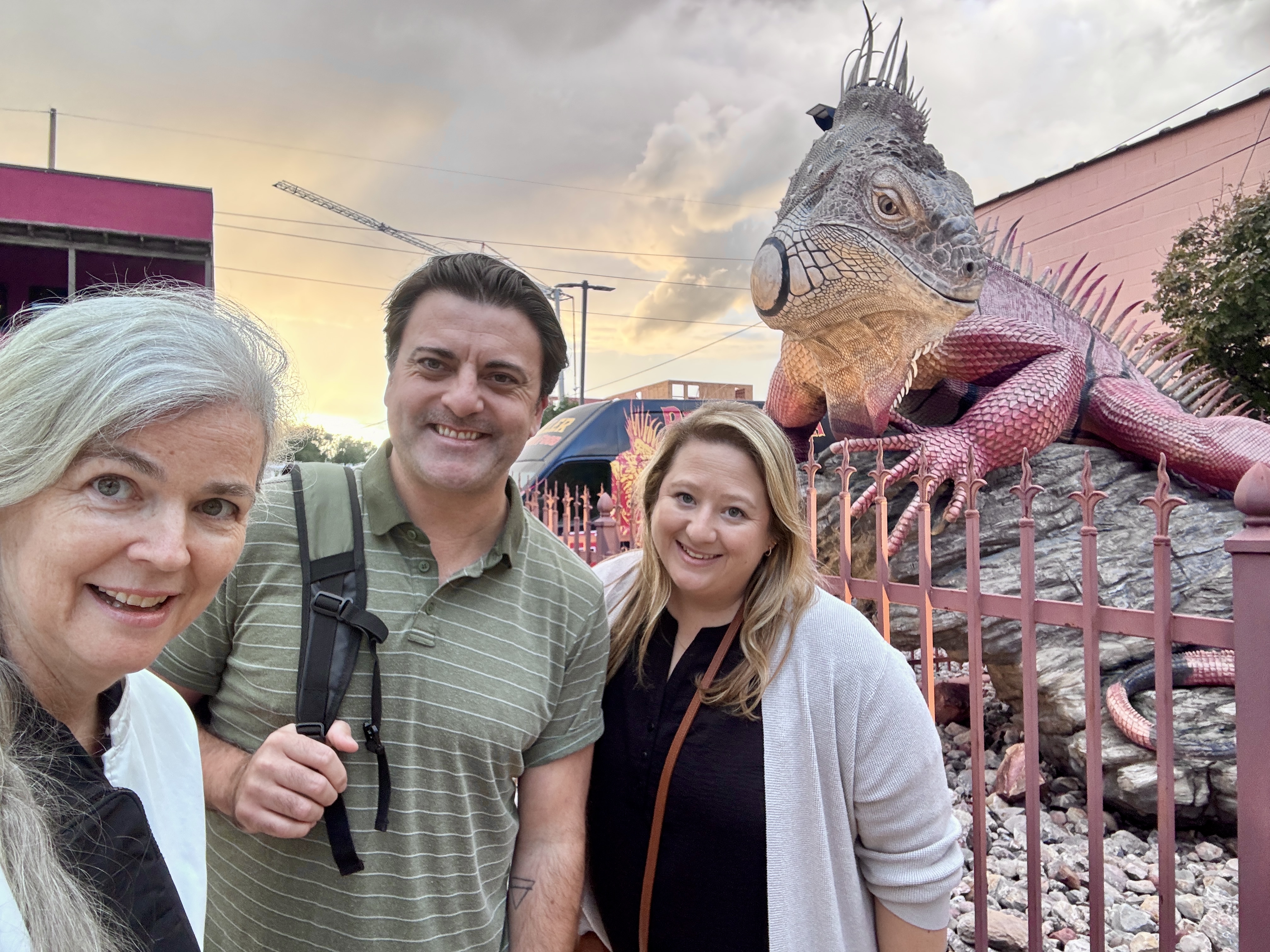
Christie Dentry is a Senior Interpretive Services Specialist with the City of Roseville’s Utility Exploration Center and the principal of Oxbow Consulting, where she helps organizations make work better through strategic planning, visitor experience, employee engagement, and organizational strategy. She serves on the California Association of Museums Board and as Co-Chair of its Program Committee. With more than 18 years of experience in public facing leadership, Christie is passionate about creating better experiences for both the people museums serve and the people who make that work possible.
View WMA | UMA 2026 in Pictures
Add new comment