When We're Our Best, We Aspire
Aspire: to direct your hopes, desires, or ambitions toward achieving something great or successful.
With this year’s theme for the Western Museums Association (WMA) Annual Conference in Salt Lake City shining brightly, I arrived with a personal aspiration: to immerse myself more fully than I ever had at a museum conference. (Not including chairing a virtual conference earlier this year for California Archivists—we’re talking in person here!) As an introverted homebody who loves the comforts of my collections room office, much like many others in the field, I can confidently say I have never been prouder of how much I socialized, participated, and stepped outside my comfort zone.
For me, the conference began before it was officially called to order at the opening general session and keynote. Alongside the Registrars Committee Western Region, I had the privilege of assisting the Utah Military Museum at Fort Douglas in their collection room. During our tour of the exhibition spaces and collections rooms, Executive Director Patrick Hargis shared a sentiment that reminded me of what I have always believed about my own work: history is about the stories of the people who used the objects we hold in our collections. Those words set the tone for the remainder of my conference experience.
The reminders to aspire, and that history belongs to people rather than objects, continued throughout the next three days. This was my second time attending WMA’s annual conference, and on both occasions, I have had the pleasure of hearing Virgil Johnson of the Confederated Tribes of the Goshute Reservation speak. Conversations overheard in hallways and between sessions made it clear that his words and prayer resonated not only with me but with many others in attendance. Lisa Sasaki’s keynote was equally impactful, offering a powerful reminder of the incredible things museums can accomplish when we are at our best.
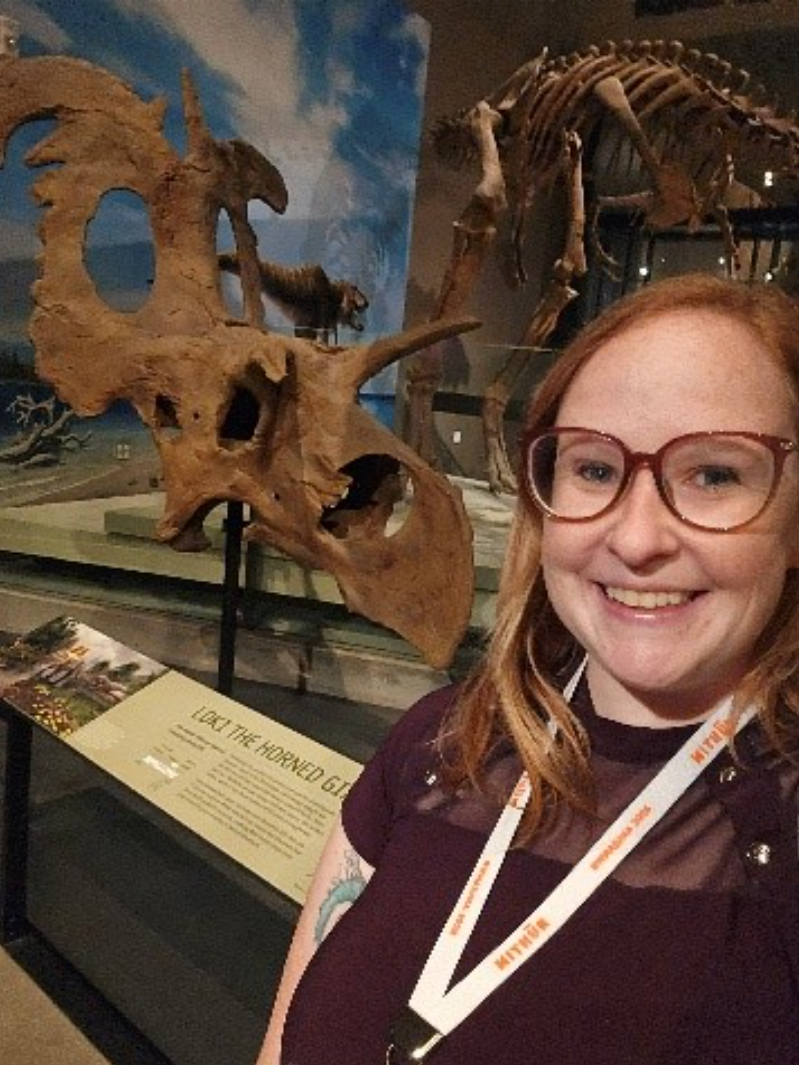 Throughout the conference, I gravitated toward sessions focused on collections, exhibition development, public programming, community partnerships, and donor cultivation. Each topic aligned with my ongoing goal of doing the best work I can for my museum. We are small but mighty, working hard to make a meaningful impact in our community. I left these sessions with fresh perspectives, practical recommendations, and ideas to bring back to the Vacaville Museum as we continue pursuing our own institutional aspirations. In fact, I've already begun putting many of them into practice since returning home.
Thanks to the Wanda Chin Scholarship, I was able to stay close to the conference and take full advantage of the after-hours activities and social events. I stood in awe of the new Museum of Utah, working hard to feel inspired rather than jealous of their collections rooms (It's beautiful!). I found joy in scouring entomology cabinets at the Natural History Museum of Utah before marveling at its incredible dinosaur displays. I reconnected with a mentor who supported me through an earlier chapter of my career and bonded with a new friend over our connections to small, neighboring Utah communities (Go, Salina!).
Even after a packed schedule of sessions, socializing, and sightseeing, I still felt fully engaged in the events, sessions, and discussions. By Saturday, I was certainly tired after a whirlwind week, but somehow my social battery remained full, fueled by the wonderful people, conversations, and shared enthusiasm that kept me going.
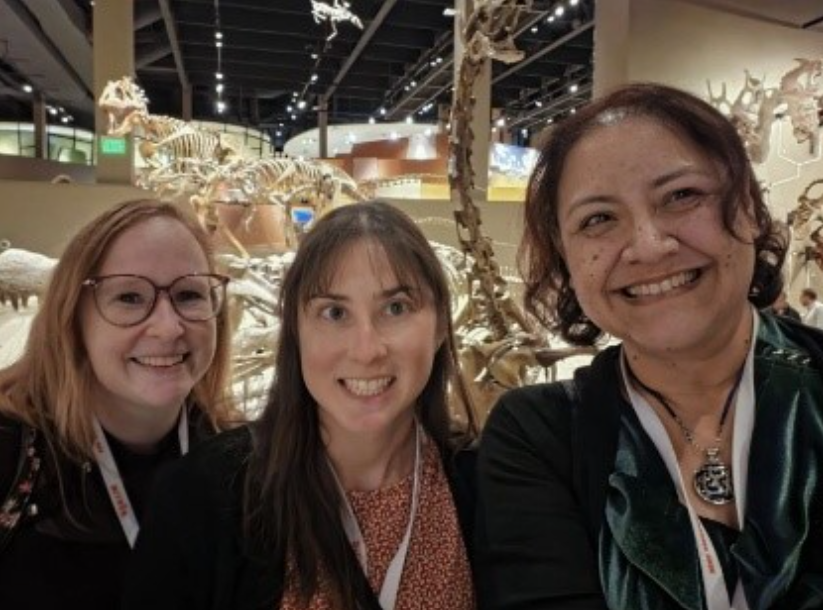
I arrived at WMA’s 2026 Annual Conference aspiring to make the most of every opportunity, and I left with far more than new knowledge and ideas. I made new connections, renewed my inspiration, and was reminded why I love working in this field. More importantly, I returned home energized to put those aspirations into action, both personally and professionally.
I am incredibly grateful to WMA and the Wanda Chin Scholarship for making this experience possible. Here's to continuing to aspire, supporting one another, and finding new ways to be at our best. I can't wait for Oakland's turn in 2027!
Shelby Sorensen is a curator, museum professional, and archivist whose work centers on collections stewardship, exhibition development, and uncovering underrepresented stories. She currently serves as Curator at the Vacaville Museum and previously worked as Museum Manager for Folsom History, with experience spanning collections care, archival research, museum operations, community engagement, and exhibition development. Shelby holds master’s degrees in Museum Studies and Library and Information Studies from the University of Oklahoma, as well as a graduate certificate in Archival Studies. Her interests are wide-ranging, with a particular affinity for material culture, overlooked histories, and the morbid, unusual, and unspoken aspects of the past.
View WMA | UMA 2026 in Pictures
Add new comment